Young Vincent
1853 - 1873
Young Vincent
1853 - 1873
First Steps
1873 - 1883
Dark to Light
1883 - 1888
Final Months
1888 - 1890
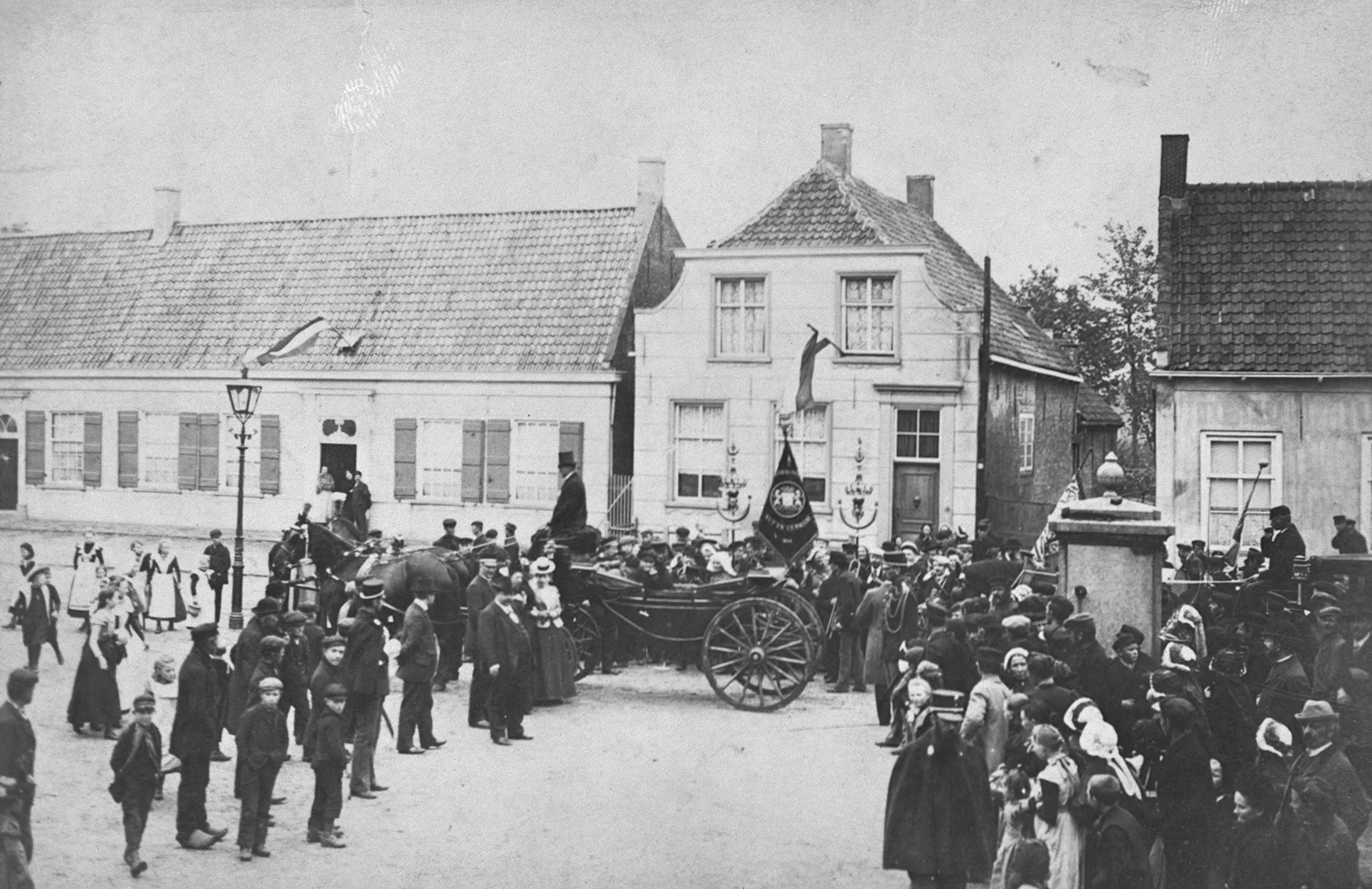
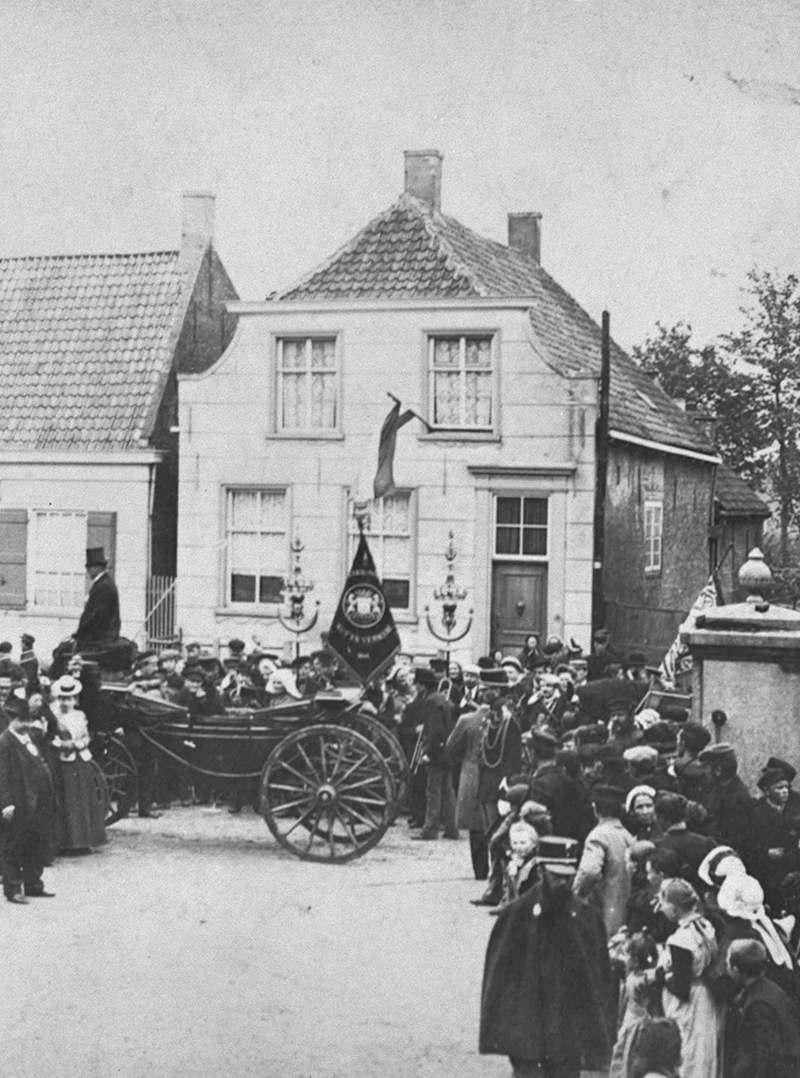
Vincent van Gogh was born on March 30, 1853, in the Brabant village of Zundert. Remarkably, he was named after an older brother, also called Vincent, who had been stillborn exactly one year earlier.His parents, Theodorus van Gogh, a Protestant minister, and Anna Carbentus, would go on to have six children in total: Vincent, three sisters (Anna, Wil, and Lies), and two brothers (Theo and Cor).
The family loved exploring nature, often taking long walks in the area around Zundert. These outings nurtured in young Vincent a profound appreciation for the natural world, a passion that would later become central to his art.
At age eleven, Vincent moved from his village school in Zundert to a boarding school in Zevenbergen. Life at the boarding school was challenging, and he felt deeply unhappy, though he managed to complete his elementary schooling. He occasionally drew during these years, yet showed no clear signs of artistic talent.
Two years later, at thirteen, he transferred to a secondary school in Tilburg, where he excelled in languages and achieved good marks overall. However, in the middle of his second academic year (1867-1868), Vincent left school for reasons that remain unknown. This would be the end of his formal schooling; he never returned to structured education again.
At sixteen, Vincent's uncle helped him secure a position as a trainee at the international art dealership Goupil & Cie, in The Hague. These early working years at Goupil are when we see the first surviving letters from Vincent. His time at the dealership laid the foundation for his understanding of art and the art world.
In September 1872, Vincent began an important, life-long correspondence with his younger brother, Theo, who would later play a vital role in his life. By 1873, Theo was also working for Goupil, in Brussels, while Vincent was transferred to Goupil's London branch, marking the beginning of a new chapter in his life.
Vincent van Gogh's first years as a young adult were spent in London, where he worked as an art dealer for the company Goupil & Cie. This job allowed him to explore famous museums like the British Museum and the National Gallery. He was fascinated by art, especially works by "peasant painters" like François Millet, who depicted the humble lives of common folk.
Vincent read everything he could get his hands on: museum guides, magazines, literature, and poetry. However, despite his love of art, he grew frustrated with his job, and his employers sensed it. In 1876, they decided to let him go. This marked his first big career change.
After being dismissed from Goupil, Vincent traveled back to England and took up a new job as an assistant teacher at a boys' boarding school. Later, he became a schoolteacher at a private school run by a vicar near London, where he was allowed to preach at local villages. Though he enjoyed helping people, he found this job unfulfilling. During Christmas of 1876, Vincent's father advised him not to return to England, so he decided to look for new paths to pursue.
In 1877, Vincent's Uncle Cent found him work at a bookstore in Dordrecht. By this time, he was becoming more and more religious, which worried his family. His parents agreed to let him try a new path and study theology to become a minister. Vincent moved to Amsterdam and began preparing for the entrance exam. He stayed with his uncle, who was also a minister, and tried his best to study.
Vincent struggled to focus on academics, preferring to roam the city and the countryside. Eventually, his uncle advised him to give up on theology, realizing that it wasn't the right fit for Vincent, and though he abandoned formal studies, Vincent's desire to help others persisted
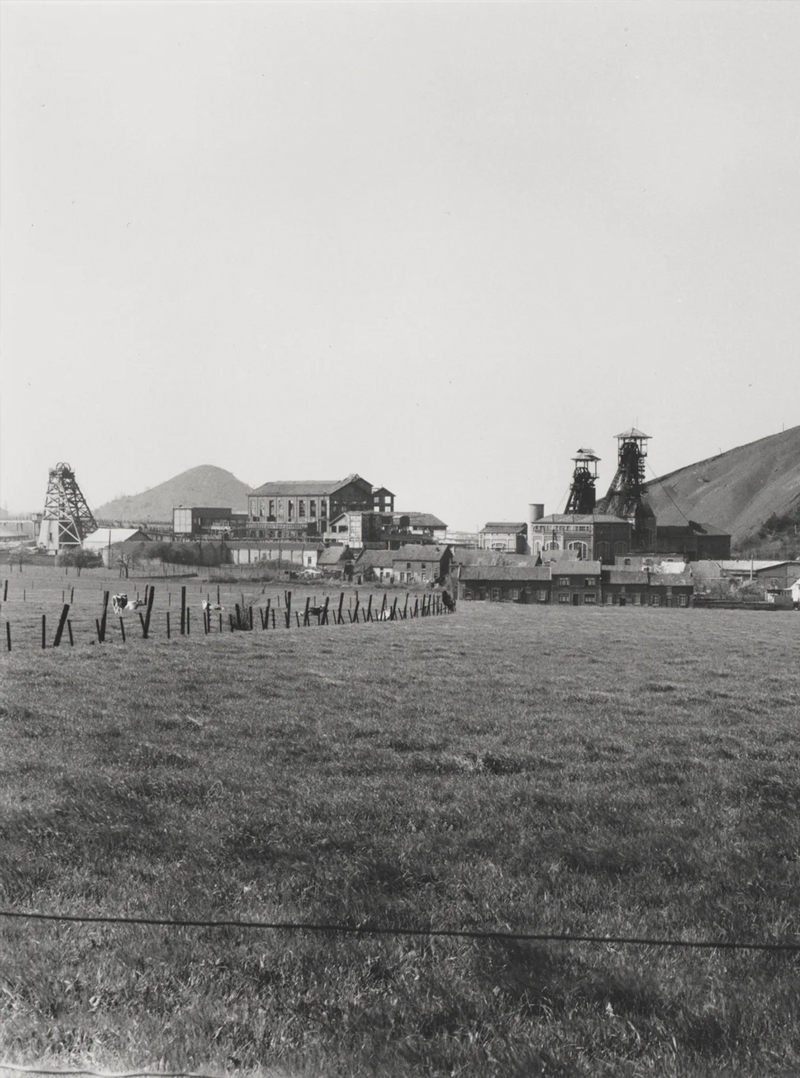
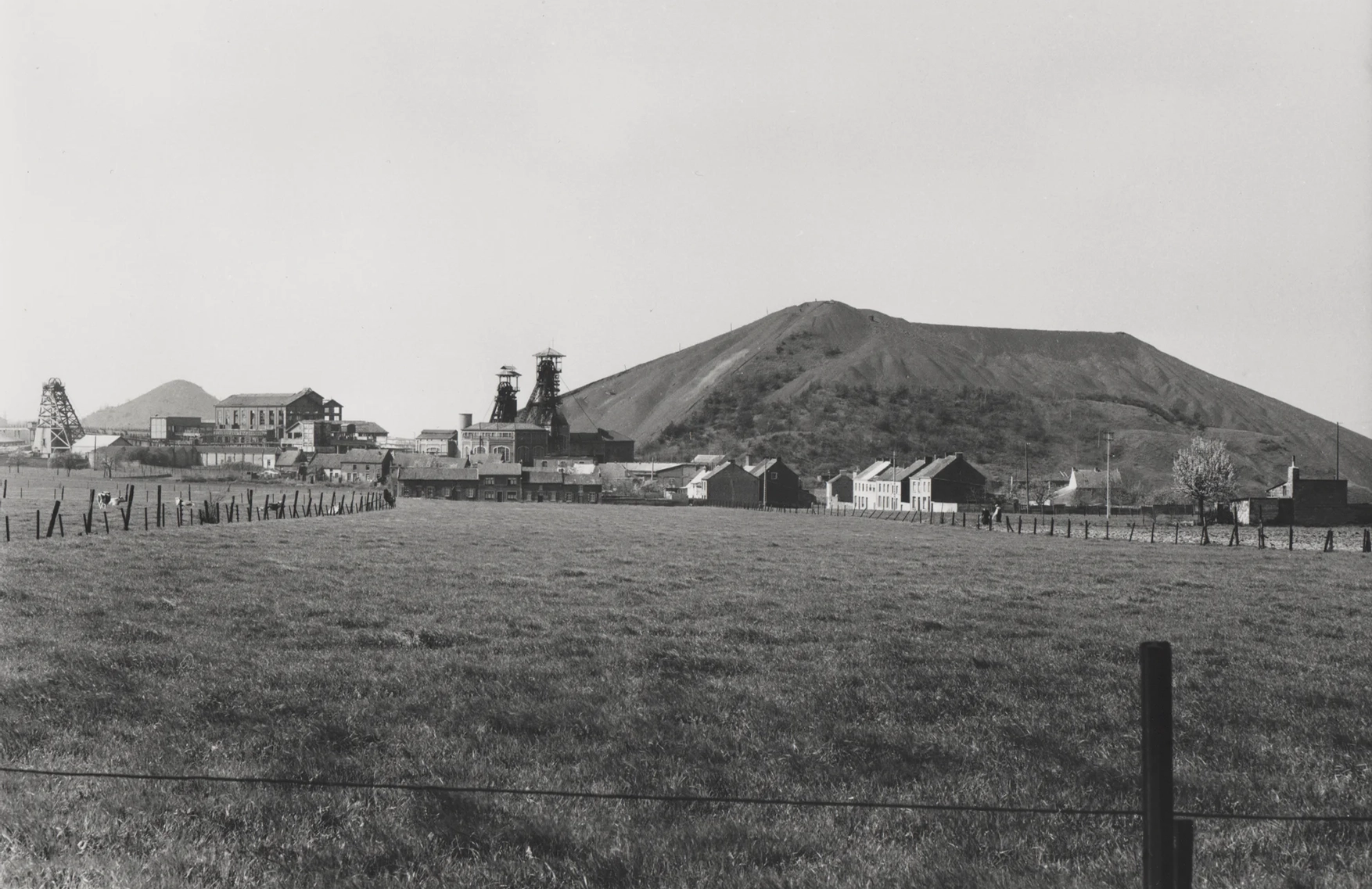
In 1880, he moved to the Borinage, a mining region in Belgium, to work as a lay preacher. Here, he taught classes, visited the sick, and gave Bible readings to support the miners and their families, who lived in extreme poverty. Vincent even adopted their lifestyle, sleeping on the floor and sharing what little he had. His compassion earned him the nickname "The Christ of the Coal Mine." Yet despite his dedication, Vincent couldn't form a committed group of followers, and his contract was not renewed.
During his time in the Borinage, Vincent frequently sent letters to his younger brother Theo, often including little sketches and drawings. Theo, recognizing Vincent's talent, encouraged him to focus more on drawing, suggesting that he might serve others through art. Inspired by this advice, Vincent moved to Brussels in October 1880 to begin serious art training. He had no steady income, but Theo supported him financially, allowing him to work on his skills and connect with other artists. This moment marked the beginning of Vincent's journey to becoming an artist.
In December 1883, Vincent van Gogh returned to live with his parents in Nuenen, Netherlands, where he set up a studio at the back of the house. A few months later, he moved to a larger space in the village with its rural landscape and hardworking farmers, provided Vincent with a rich setting for exploring peasant life through art. Here, he sketched and painted local farmers, weavers, and laborers at every opportunity, developing a “peasant painter” style. In early 1884, he proposed to his brother that he would exchange his paintings for an allowance, hoping he could sell them on the Paris art market. However, the dark tones of his work were not in line with French tastes at the time.
Vincent's family life was challenging. His parents found it difficult to live with him due to his headstrong nature and unconventional appearance. In March 1885, shortly after his father's death, Vincent moved out of the family home to live in his studio, where he began working on The Potato Eaters. In late 1885, he decided to pursue formal training at the Academy of Art in Antwerp, leaving the Netherlands for good.
Antwerp was a bustling city with much to offer an artist: quality materials, drawing clubs with models, and art-filled churches, museums, and galleries. Vincent enrolled at the Academy of Art, but he found its traditional teaching style limiting and frustrating. He felt that the academy's emphasis on conventional drawing techniques lacked the emotional depth he sought in his art. Vincent was especially critical of the academy's failure to appreciate classical statues, noting that his own work had a markedly different approach.
Despite these frustrations, Antwerp exposed Vincent to the works of other artists and a range of artistic resources that would shape his developing style. His time here allowed him to expand his artistic knowledge and fueled his determination to create work that felt authentic to him. In early 1886, he decided to leave Antwerp and join his brother, Theo, in Paris.
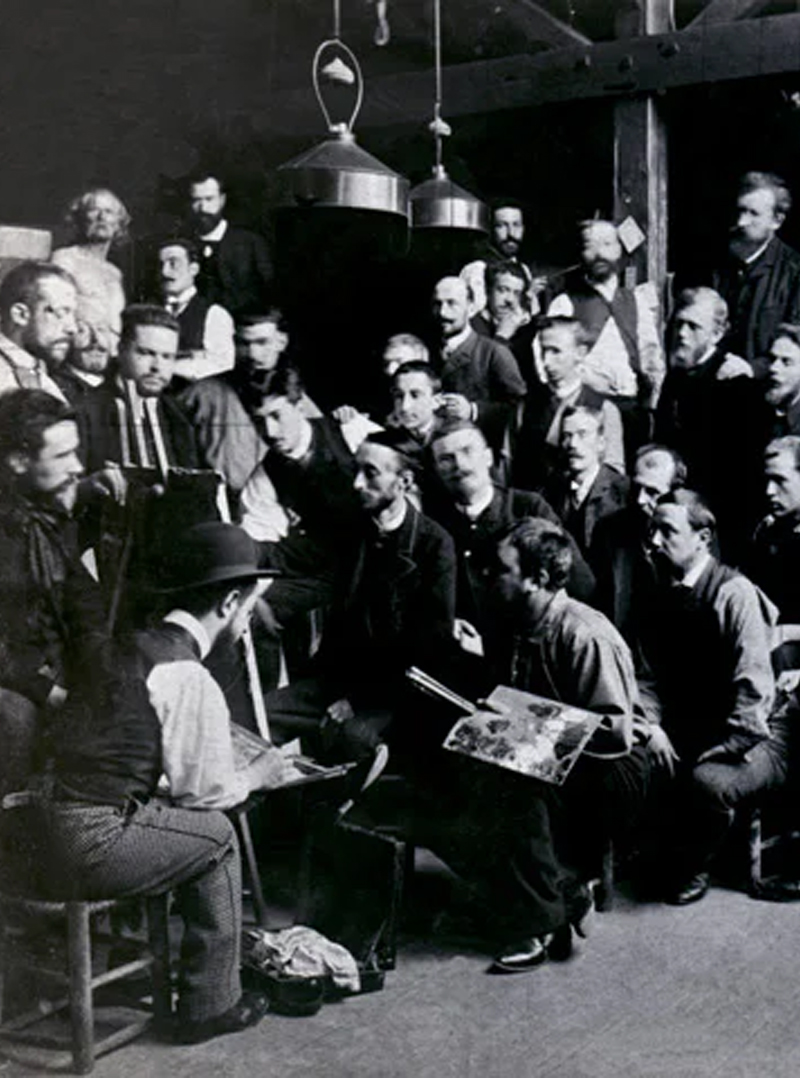
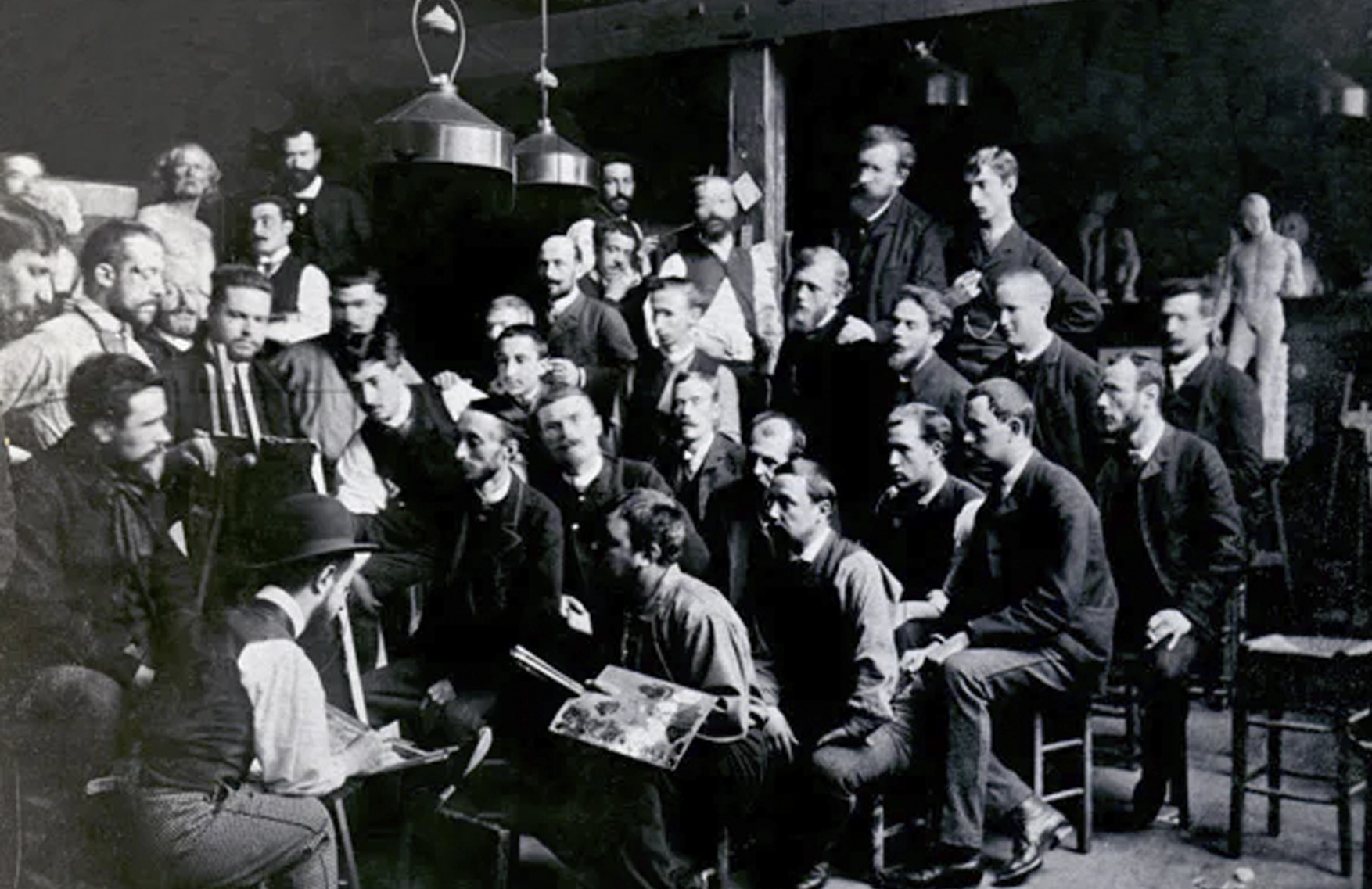
Vincent arrived in Paris in February 1886, where he moved in with his brother Theo, who managed to secure a larger apartment. In Paris, he studied under Fernand Cormon, a respected artist with many foreign students, which allowed him to refine his skills in a more contemporary setting. Paris exposed him to the vibrant art scene of Impressionism and Post-Impressionism, which valued color, light, and brushwork in ways Vincent hadn't yet explored.
Meeting other artists and seeing new styles firsthand had a profound impact on his work. He began to incorporate brighter colors and lighter tones, shifting away from the earthy darkness of his earlier pieces in Nuenen. This period in Paris marked a major turning point for Vincent, setting him on the path to becoming the artist known for his expressive use of color and unique, emotive brushwork.
Once Vincent arrived at the clinic in Saint-Rémy, he immediately began working again. On his good days, he often painted in the institution's walled garden and he was later allowed to work outside the hospital too. He was also given an extra room inside the clinic to use as a studio, where he produced a series of works, including copies of prints after paintings by artists like Rembrandt and Millet.
Vincent's mental health continued to fluctuate. During one period of extreme confusion, he ate some of his oil paint, following which he was restricted to drawing for a while. Yet, Vincent was exceptionally productive at Saint-Rémy, where he completed around 150 paintings in the space of a year.
Vincent left the mental hospital in Saint-Rémy in May 1890 and headed north to Auvers-sur-Oise, where several artists were already residing. Auvers offered Vincent the peace and quiet he needed, while being close enough to Paris for him to visit his brother Theo. There was a doctor there too, Paul Gachet, who could keep an eye on him.
Vincent quickly befriended Gachet, himself an amateur painter, who advised Van Gogh to devote himself completely to his art. He did precisely that, painting the gardens and wheatfields around the village at a feverish rate.Vincent threw himself entirely into his painting in this period, completing virtually a work a day. His health seemed to be improving, too.
Vincent visited Theo and his family in Paris in early July 1890, where he learned that his brother was thinking of quitting his job at the art dealers' he had managed over many years. Theo wanted to set up his own business, which inevitably represented a certain financial risk. Vincent returned to Auvers a worried man.
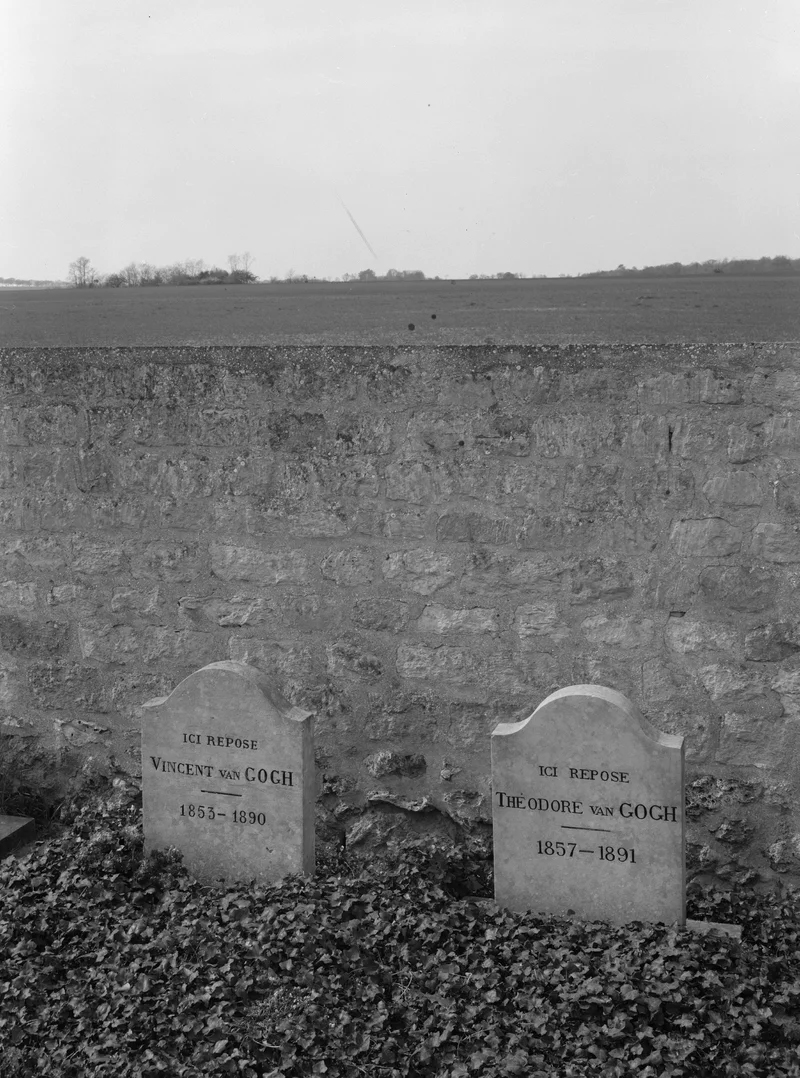
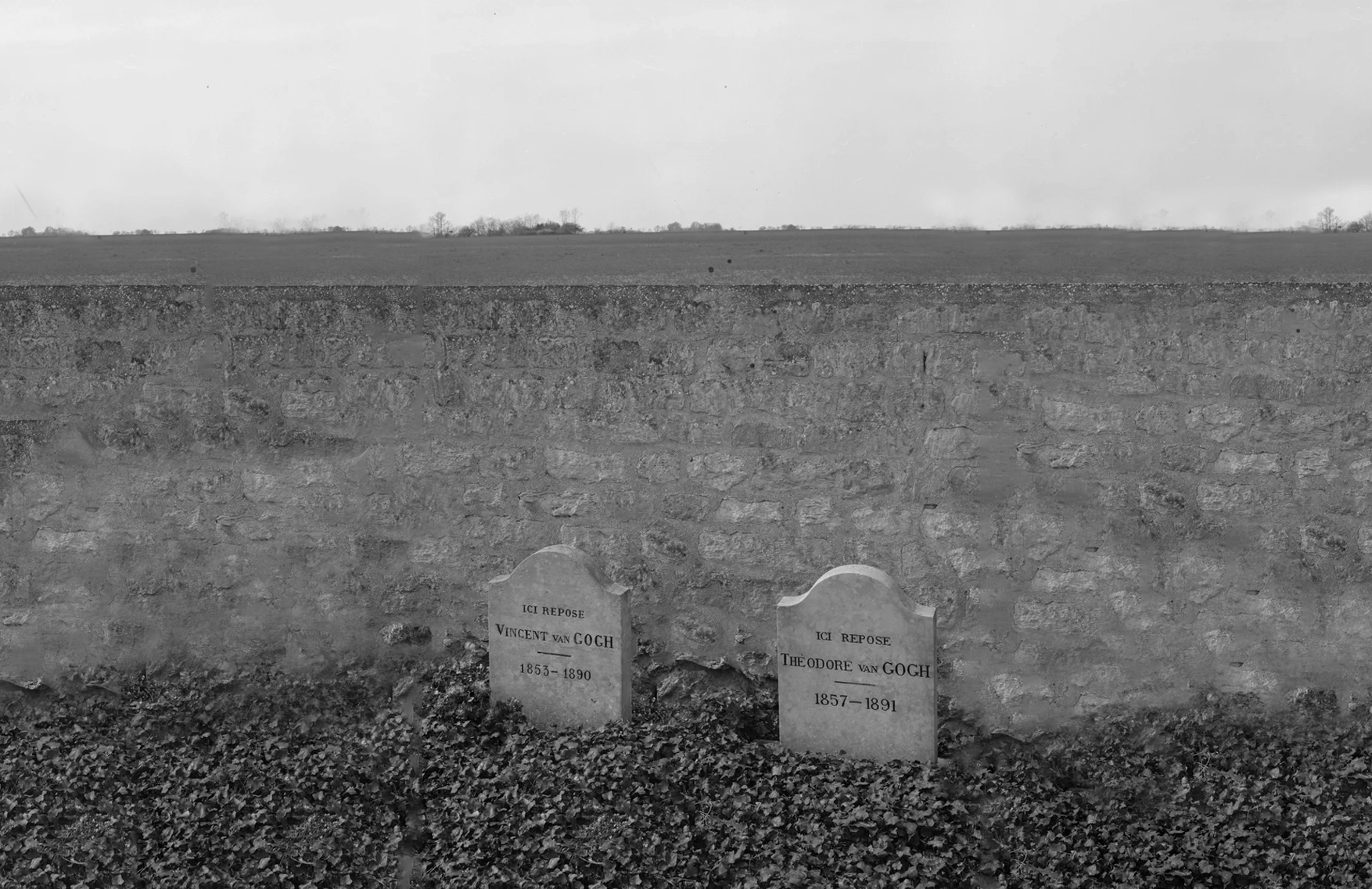
On 27 July 1890, he walked into a wheatfield and shot himself in the chest with a pistol. The wounded artist staggered back to his room at the Auberge Ravoux. Theo rushed from Paris to Auvers and was present when his brother died of his injuries. Vincent was buried at Auvers on 30 July 1890. His legacy was a large body of art works: over 850 paintings and almost 1,300 works on paper.